Tucson is a place of extremes. Summers bake asphalt and push air conditioners hard for months. Winters are mild but nights can fall into the 30s, and sudden monsoon humidity demands dehumidification. If you want your HVAC system to last, run efficiently, and avoid emergency calls when the mercury hits 110, you need a plan that treats the system as a year-round asset, not an afterthought.
I’ve worked with houses and rental properties across the Sonoran Desert, replacing compressors that failed from neglect and tuning systems that returned 15 percent savings on cooling bills. The difference between a system that performs and one that fails often comes down to three choices: preventive maintenance, timely repair, and using a local HVAC professional who understands Tucson’s climate and building stock. Below I’ll lay out practical, field-tested guidance you can follow monthly, seasonally, and when you call for help.
Why regular care matters here The math is simple. An air conditioner that is lightly maintained uses more energy, struggles to reach set temperatures, and cycles more often. In Tucson that means higher electric bills and greater wear on components like fans, capacitors, and compressors. Indoor air quality also suffers when filters and coils are neglected, exacerbating allergies and dust buildup common in desert homes.
On the flip side, routine care extends equipment life. Replacing a capacitor or addressing a refrigerant leak early is cheaper than replacing a compressor, which can cost several thousand dollars for a modern split system. For older homes with ductwork, sealing and insulating ducts can return 10 to 20 percent of lost cooling capacity. Those are concrete returns you’ll notice on utility bills and in the number of service calls you need.
Monthly checks that save money and prevent breakdowns A brief monthly walkaround prevents most sudden failures. Spend 10 to 20 minutes. You don’t need tools for everything, only a flashlight and a notebook.
Begin with the outdoor unit. Make sure nothing is blocking airflow: no potted plants, no loose boards, and no accumulated trash. Remove loose debris that has lodged against the condenser fins, and check that the unit sits level. A tilted unit stresses the compressor and can shorten life. Listen while it runs; unfamiliar rattles or high-pitched squeals are early warnings.
Next, inside the house, feel supply vents and return grilles. If some rooms are noticeably warmer or cooler than others, note which vents are weak and where the differences occur. Check the thermostat batteries and confirm the fan setting. Replace the HVAC filter if it is visibly dirty. In Tucson, during heavy use months you may need a quality pleated 1-inch filter replaced every 30 days, or a thicker 4-inch filter changed every 90 days. Track replacement dates with a calendar reminder.
Seasonal tasks that matter in Tucson There are four moments across the year that deserve attention: pre-cooling season (late spring), mid-summer preventive checks, monsoon readiness, and pre-winter tune-up. Each addresses specific stressors from heat, humidity, and dust.
Pre-cooling season (late spring): Clean and clear the outdoor unit of winter debris, check refrigerant pressures if you have the tools or call a technician to confirm levels, and replace the filter. Test the system gradually. Turn on the AC a week before you need it, run it through a few cycles and watch for inconsistent cycling or long run times that signal restricted airflow or low refrigerant.
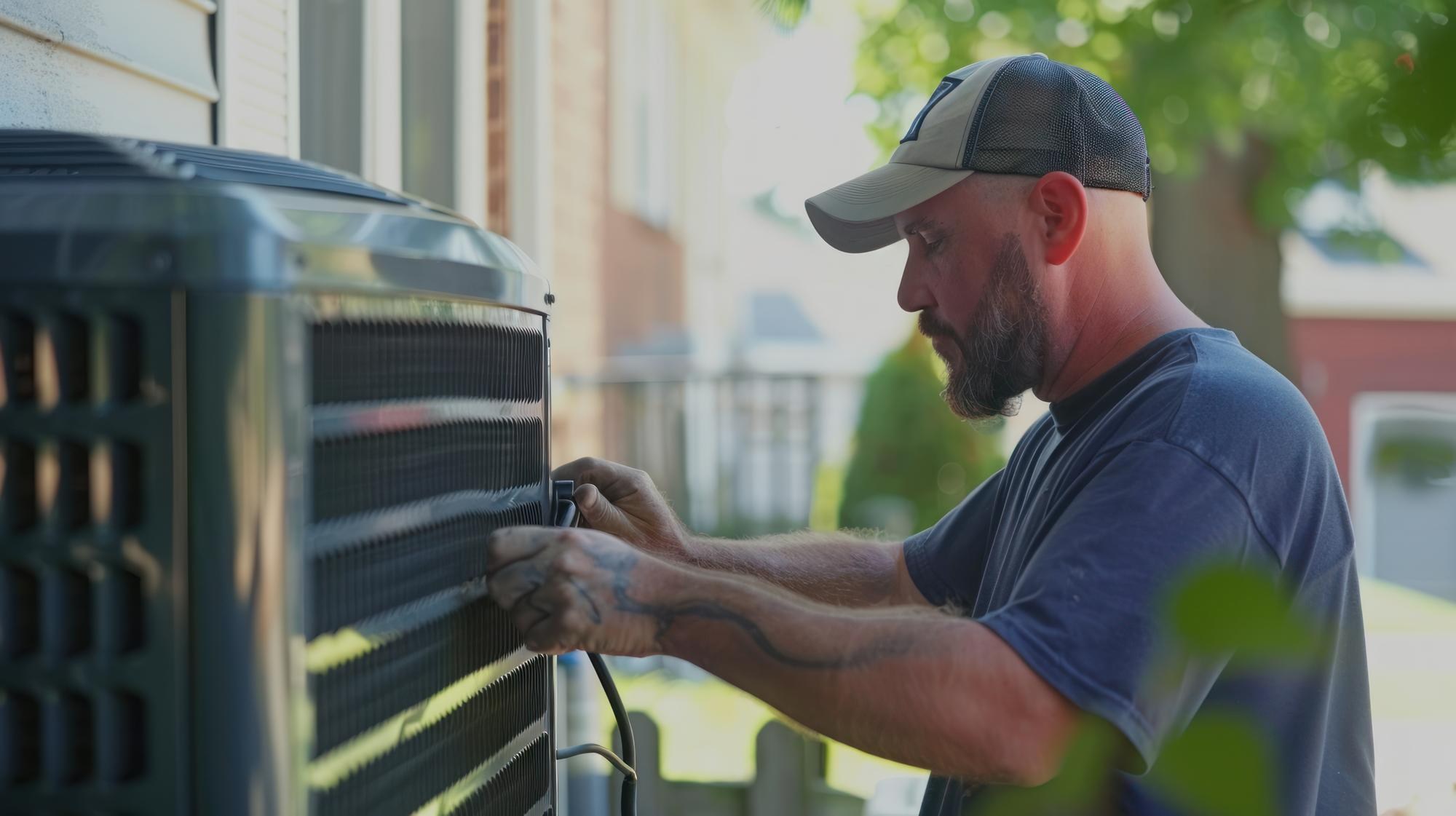
Mid-summer preventive checks: Summer is when most failures happen. Have an HVAC contractor Tucson AZ perform a mid-season inspection if possible. They will check capacitors, contactors, blower motor amperage, and refrigerant levels. These are components that deteriorate under extreme load and humidity. If you own a programmable thermostat, verify schedules and temperature setbacks so the system isn’t fighting a heat spike during the hottest afternoon.
Monsoon readiness: Heavy rain and wind bring dust and debris into condensate drains and outdoor units. Make sure condensate lines are clear and that the condensate pan does not trap algae. If you notice water pooling near the furnace or air handler, have the drain flushed. Consider covering the outdoor unit if a major storm is forecast, but remove covers before restarting the system to prevent moisture buildup.
Pre-winter tune-up: Even in Tucson, furnaces and heat pumps need attention. Verify that the heating mode operates and that reversing valves on heat pumps engage properly. Clean or replace filters and check seals around doors and windows for drafts that can create unnecessary load on the heating system during cold nights.
Two short lists you can use
- Five quick signs you should call for HVAC repair: strange odors from vents, grinding or screeching noises, refrigerant ice on lines, sudden 20 percent jump in electric bills, and frequent short cycling. Five simple maintenance steps to do monthly: inspect and replace filters, clear debris from the outdoor unit, check thermostat operation and batteries, verify that vents are open and unobstructed, and look for visible refrigerant oil stains near line connections.
How to choose a local HVAC contractor in Tucson Selecting the right contractor matters more than picking the cheapest estimate. Experience in the local climate and with local building styles pays off. Look for a company that will inspect ductwork, measure airflow in cubic feet per minute when needed, and test refrigerant charge rather than guessing by run time. Ask whether they handle both mechanical repairs and maintenance, because continuity of care helps identify creeping problems over multiple seasons.
Ask for clear estimates that separate parts, labor, and diagnostic fees. A reputable HVAC contractor Tucson AZ will explain trade-offs: a higher-efficiency replacement might cut bills by 15 to 30 percent but require duct upgrades; a simple capacitor replacement might resolve a short-term failure without replacing the compressor. Check for licensing, trade certifications like NATE, and local reviews. For homeowners who prefer a long-term service relationship, finding a local HVAC company in Tucson AZ that offers seasonal maintenance plans can reduce emergency call-outs and provide priority scheduling during heat waves.
When repairs are needed, what to request When you schedule HVAC repair or AC repair, bring observations. Tell the technician which rooms are hottest, when the problem started, and anything you’ve already done, like changing the filter. This context shortens diagnostic time.
For refrigerant issues, insist on a full leak search and repair rather than simply topping off refrigerant. Refrigerant recovery regulations and environmental concerns mean technicians should identify and stop leaks. For electrical components, ask to see the measured voltage and amperage readings. For systems older than 12 years, get quotes for partial upgrades like a variable-speed blower or a two-stage compressor, and compare the estimated energy savings against replacement cost. In some cases, replacing a 15-year-old unit yields better long-term value than repeated repairs.
Ductwork: often the hidden problem Homeowners fix the equipment and forget the ducts. Sealing and insulating ductwork will pay dividends in Tucson’s climate where cooled air can be lost to unconditioned spaces. A poorly sealed system can lose 20 percent or more of conditioned air before it reaches living spaces. Simple fixes include sealing visible joints with mastic or foil tape and insulating ducts in attics to at least R-8. If you have flexible ducts, avoid sharp bends and support them properly; sagging causes airflow restrictions.
An experienced technician can perform a duct leakage test or at least measure room-by-room airflow with an anemometer and identify mismatched registers. Duct balancing is as much art as science; sometimes adding a damper or adjusting register positions reduces hot spots more cheaply than changing equipment.
Thermostats and control strategies that reduce wear Programming matters. For most Tucson homes, setting a modest setback of 4 to 6 degrees during the hottest afternoon hours and recovering before returning home reduces run time without sacrificing comfort. Avoid aggressive setback schedules that make the system fight to cool the house quickly, which increases compressor run time and stress.
Smart thermostats can help if installed and configured properly. The key is sensible programming that prioritizes gradual temperature changes and uses fan cycles to even temperatures. If you have a heat pump, ensure the thermostat supports heat pump control logic; improper wiring or settings can cause unnecessary heating or run inefficient auxiliary heat.
Common trade-offs worth considering Upgrading to high-efficiency equipment reduces energy use but comes with higher upfront cost. For many Tucson homes, the break-even window is five to ten years, depending on usage patterns and electricity rates. If your ducts are leaky, replacing the outdoor unit may not deliver expected savings until the ductwork is fixed.
Another trade-off involves filtration. Higher-MERV filters capture more particulates but can restrict airflow if your blower is marginal. If your system is older, choose a medium MERV rating that balances filtration and airflow, or upgrade the blower motor before moving to dense filtration.
If you plan on adding attic insulation or shading strategies like exterior awnings, coordinate those improvements with HVAC upgrades. Shading and insulation reduce load and can allow you to size equipment slightly smaller, which lowers costs and improves comfort.
How emergency response differs in Tucson summers When the temperature hits sustained triple digits, repair windows tighten. HVAC companies see peaks in service calls during heat waves, and equipment can fail in clusters because the stresses and manufacturing tolerances are pushed to the limit. If you want priority response during summer, sign up for a maintenance plan that includes priority dispatch.
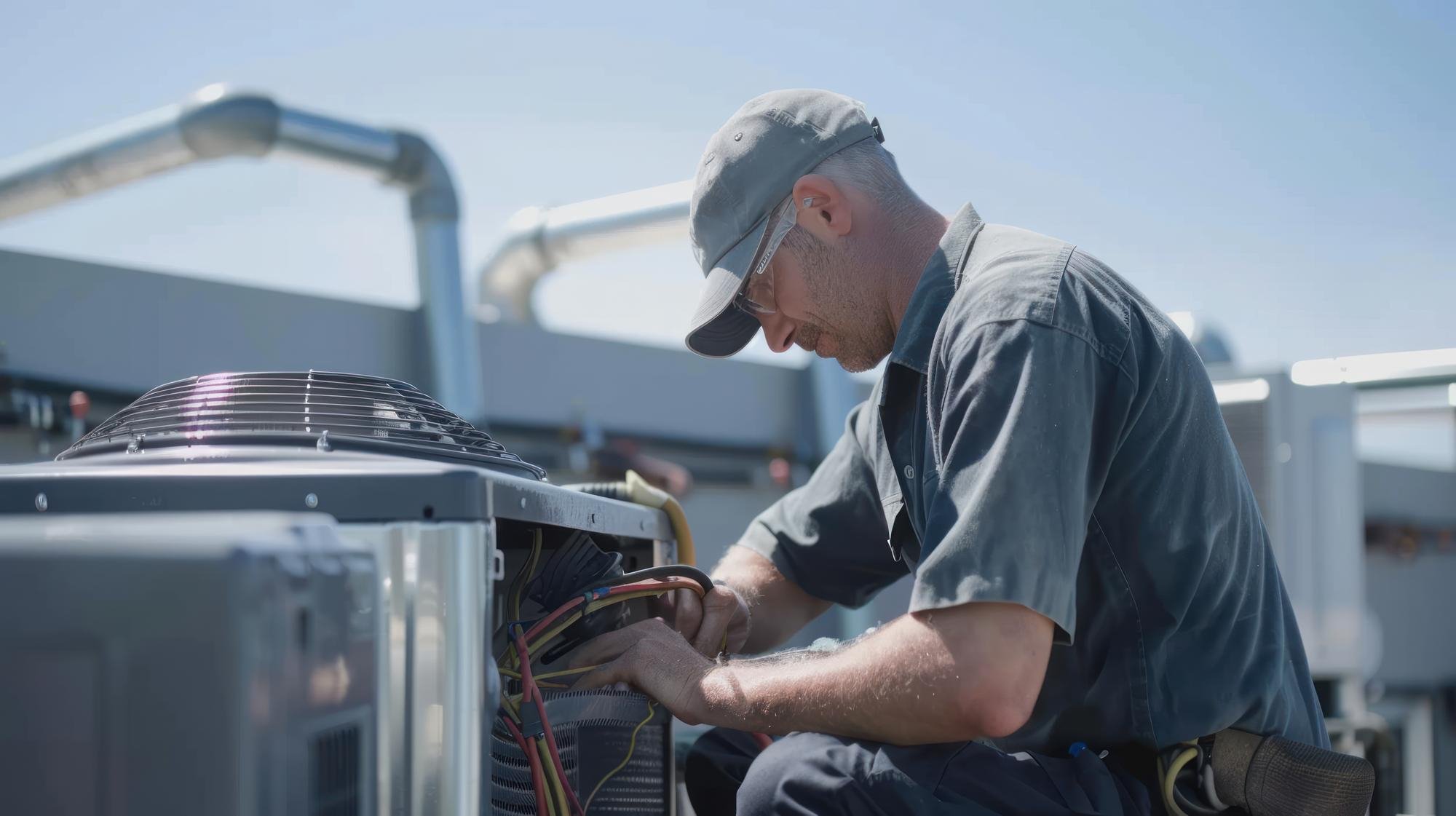
Also, know your system’s age and likely weak points. Capacitors and contactors are inexpensive parts that commonly fail in heat. If yours are original and the unit is more than eight years old, proactively replacing them during a maintenance visit can prevent an emergency shutdown. I’ve swapped capacitors on three units in one afternoon and prevented costly compressor replacements later.
Indoor comfort beyond temperature Humidity control and ventilation matter for comfort and health. During monsoon season, a well-functioning AC may not be enough to control indoor humidity. Consider adding a dedicated dehumidifier or ensuring the existing system’s coil drains properly. Ventilation strategies like ERVs or HRVs are less common in the desert but can improve indoor air quality in tightly sealed homes by introducing filtered outside air without excessive cooling load.
If allergies are a concern, add point-of-use filtration in bedrooms or consider a whole-house electronic air cleaner, but be mindful of maintenance and ozone-producing devices, which I avoid recommending.
Working with Plunkett Home Services and other local experts Local providers like Plunkett Home Services have crews who show up on Tucson calls regularly, and that experience with local building styles, duct configurations, and the municipal power profile matters. When interviewing any contractor, ask about their experience with homes similar to yours and whether they keep common replacement parts on their trucks during summer months. A contractor who arrives with the right parts saves time and reduces the chance of multiple visits.
Ask for references and examples of past work, and prefer companies that provide written service agreements and clear warranty language. A one-year warranty on parts and labor is common for repairs; longer warranties on replacement equipment may be available through manufacturer registrations.
Small investments that deliver big returns Some relatively small steps return noticeable comfort and savings. Replacing an old thermostat with a programmable or smart model properly installed and configured can save 5 to 10 percent on cooling costs. Adding attic insulation to recommended levels or improving attic ventilation lowers attic temperatures and the incoming load, improving efficiency. Regularly cleaning evaporator coils during maintenance visits keeps efficiency high; a dirty coil can raise energy consumption by 5 to 15 percent.
Final practical checklist before the summer heat
- Replace the filter, clear vegetation from the outdoor unit, and run the system through a few cycles to listen for odd noises. If you hear rattles or smell burning, shut the system off and call a technician. Confirm refrigerant charge and inspect electrical components during a professional tune-up. A missing capacitor or pitted contactor shows up quickly under load. Seal ducts and insulate attic runs. Even a modest reduction in leakage yields immediate improvements. Set thermostat schedules conservatively, and avoid aggressive temperature swings that stress compressors. Join a preventive maintenance plan with a local HVAC company in Tucson AZ for priority service during heat waves, and ask for a written report that records measured values and recommended follow-up.
A well-cared-for HVAC system in Tucson is not only about preventing breakdowns, it is about making the system serve you efficiently and reliably through hot summers and cool nights. With a few hours a month of attention, the right seasonal checks, and a trusted local contractor like https://callplunkett.com/ Plunkett Home Services or similar local HVAC experts Tucson AZ, you protect your comfort and your bank account. Take the proactive steps now, and you will be far less likely to make a costly call when you least need one.
Plunkett Home Services
3144 E Fort Lowell Rd, Tucson, AZ 85716
+1 (520) 808-2743
[email protected]
https://callplunkett.com/